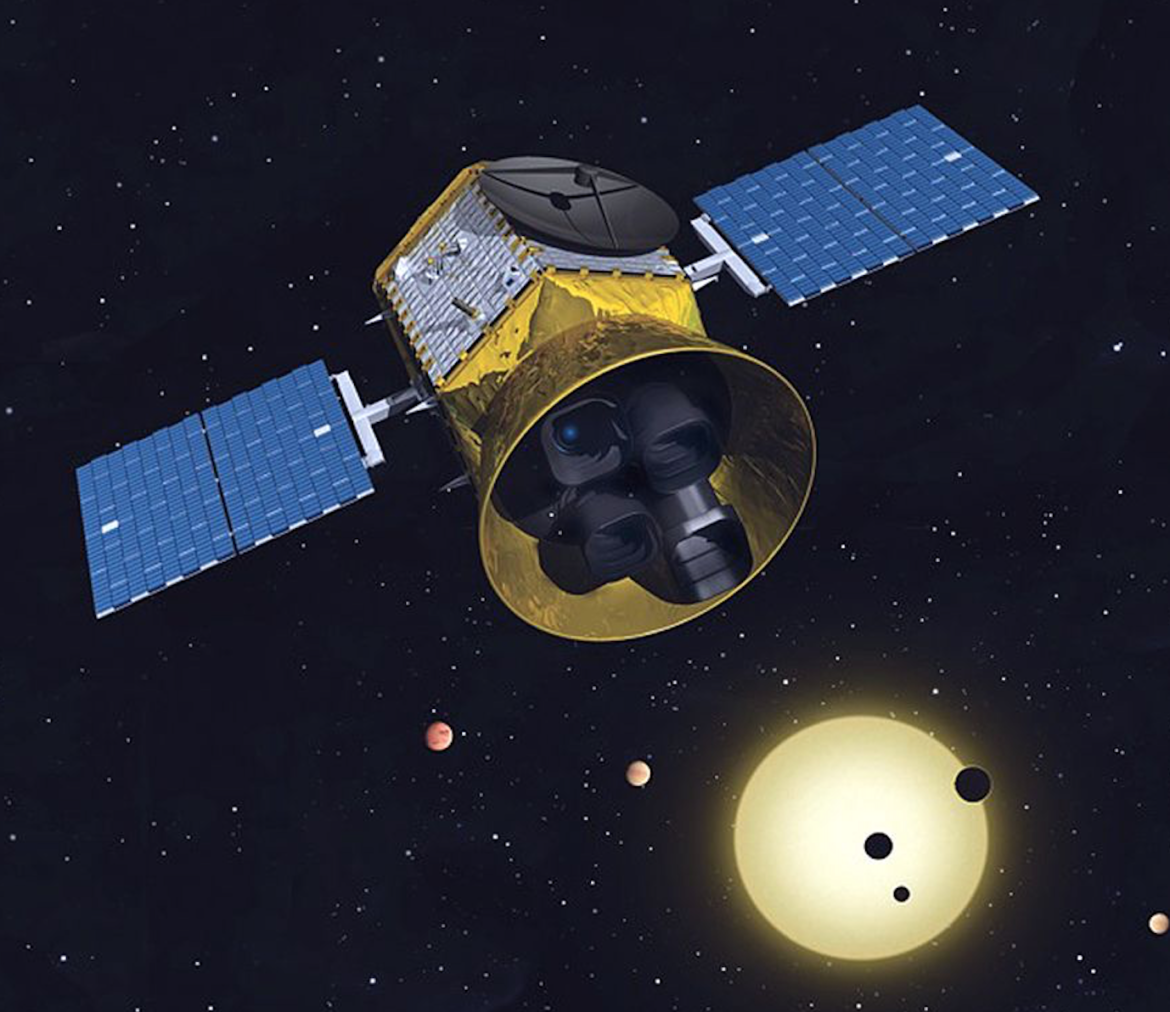

This year I’ve decided, for once, not to do any New Year Resolutions. After all, I’ve started 2018 in bed with strong flu and the energy level of a (sick) kitten, and it’s not something that puts you in a mood for heroic plans. What I’ve done instead is to have a look at what NASA and other space players have in store for us in 2018. I was not disappointed.
- SpaceX’s giant Falcon Heavy rocket (planned since 2011) will likely lift off this month or just a bit later, and that’s huge in every sense of the term. For a sneak peek, see this.
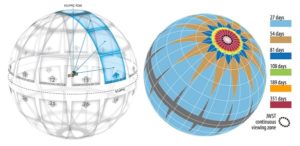
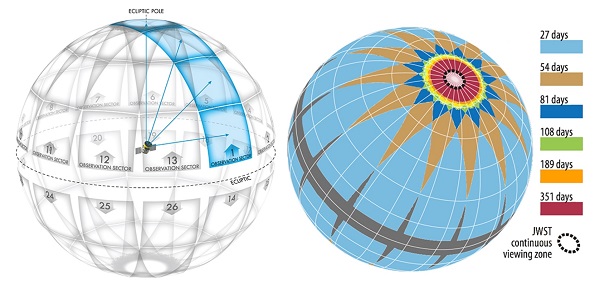
- NASA’s next exoplanet-hunting spacecraft, TESS, is probably going on duty from March. “TESS is an all-sky survey. Kepler only looks at 1/400 of what TESS will observe in the sky. Exoplanets that are identified by TESS can be potentially followed up and researched further by ground-based telescopes. TESS will look at stars that are nearer and brighter than the ones Kepler has studied. Many Kepler exoplanets cannot be followed up by ground-based telescopes for mass measurements since they are too far away. With both the size and the mass of an exoplanet, you can learn the density, and TESS opens that door because it looks at the nearest and brightest stars, where we can follow up with ground-based telescopes.” (More about TESS here). How not to be excited?
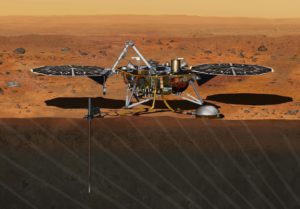
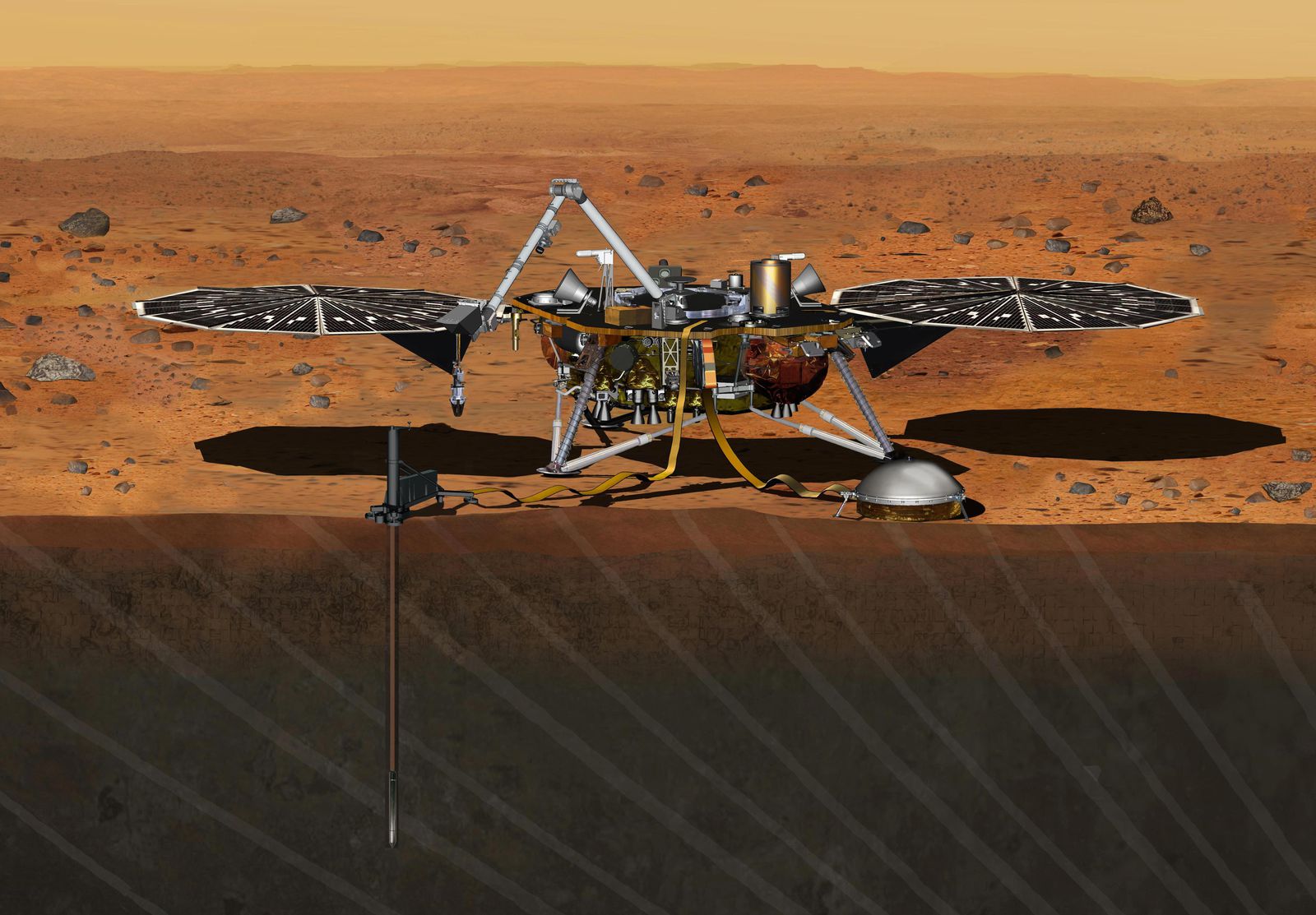
- Mars, here we come again. NASA’s Mars Insight (Interior exploration using Seismic Investigations, Geodesy and Heat Transport) is the only mission heading to the Red Planet during next launch window, leaving on May 5th from Vandenberg Air Force Base, California, heading for Elysium Planitia, where it will land on November 26, 2018.
- Let’s touch the Sun. Scheduled to launch from Cape Canaveral on July 31, NASA’s Parker Solar Probe is nicknamed as the “mission that will touch the Sun.” Designed to study the outer solar corona, the probe will pass just 3.7 million miles (13% of Mercury’s perihelion distance) from the Sun’s photosphere, collecting unique science.
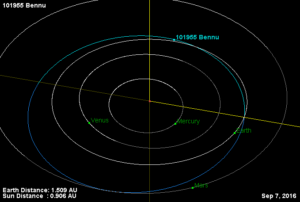
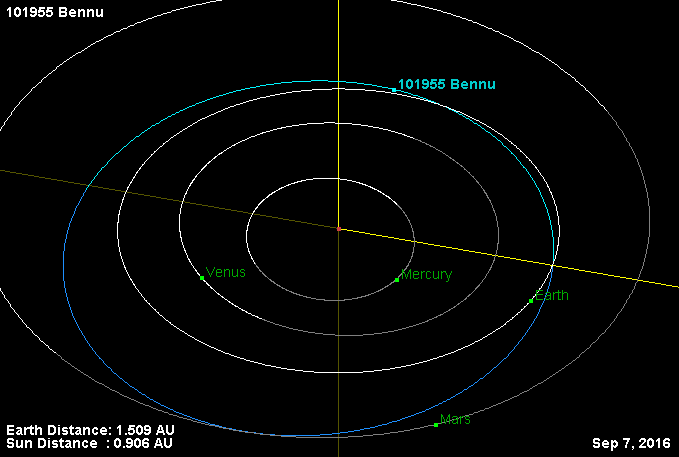
- OSIRIS-REX reaches Bennu. In September 2016, NASA launched its OSIRIS-REx spacecraft, sending the probe on a journey to grab samples from Bennu, an asteroid. The trip to Bennu takes about two years, and finally, in August of this year, the spacecraft will reach its target, coming within 1.2 million miles of the rock. It will be back around 2023.
- ESA heads for Mercury. The flagship planetary mission for the European Space Agency and Japanese Aerospace Exploration Agency in 2018, BepiColombo will launch next October for Mercury. The spacecraft will reach orbit around Mercury in December 2025, after multiple flybys of Earth, Venus and Mercury.
I can’t wait for 2018 to get going!
https://www.youtube.com/watch?v=qLHxzQDctvQ


Leave a Reply