
At -2 (or 1, depending on which part of the globe you’re based) to 2018, it’s the moment for a quick recap of 2017 space news -for one, because this year spoiled us. We had all sort of events and /or discoveries, five of which I listed below, in no particular order.
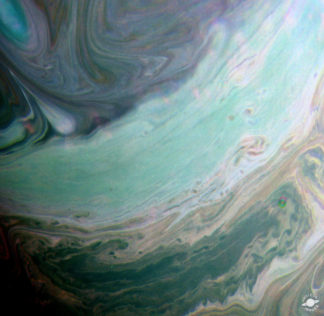
- Bye bye Cassini. What has been probably the most famous probe in the exploration of the Solar System just completed its two decade long mission. I have written a lot about it in the past, including the Gran Finale.For a good summary and stunning imagery, visit the NASA Page on Cassini Legacy.
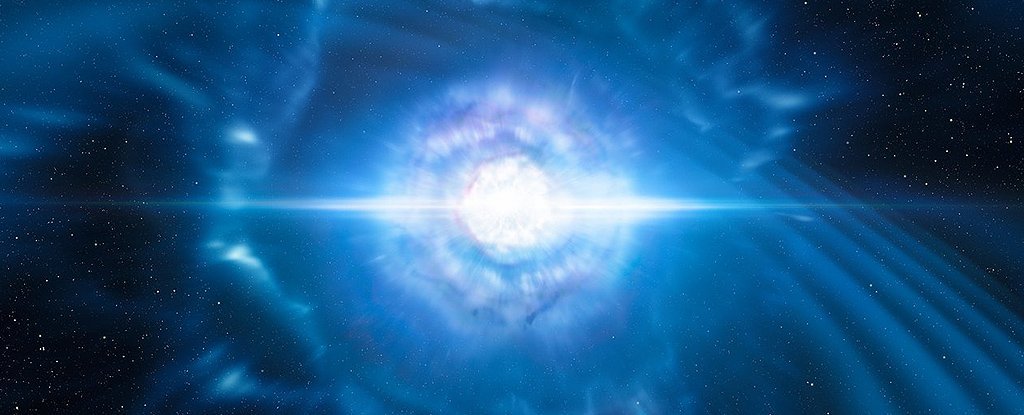
- For the first time ever, we managed to photograph a collision between two neutron stars, 130 million light-years away. The event is named GW170817. Why is this so important? Simply because “mergers of neutron stars – the dense husks of stars that collapsed in on themselves after running out of fuel for nuclear fusion – have been theorised about for decades.No one had witnessed such a cataclysm until the gravitational and light signals from an event 130 million light-years away reached Earth on August 17. As the neutron stars spiralled into each other, they flung off gravitational waves like spray from a whirlpool. Their final collision produced two intense, narrow jets of electromagnetic radiation, as well as a cloudburst of energy and debris that emanated the radioactive glow of the kilonova.” (More about it here). And h
 ow have we made it? Thanks to gravitational waves, of course. Read the whole story in this article.
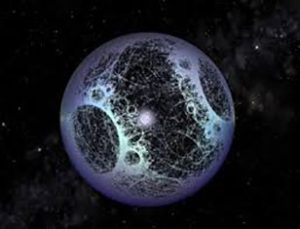
 - Tabby Star‘s mystery thickens. The most controversial space phenomenon of these last years (here for the debate) continues to puzzle scientists, as more hints of an anomalous behaviour surface. “The Kepler telescope spends its days looking for dimming stars – a dimming pattern is how we find exoplanets. When a planet passes between us and its host star as it orbits, the light of the star dims from our perspective.Exoplanet dimming is regular and periodic and limited. But KIC 8462852’s dimming is irregular, and the amount it dims varies. Its most recent dimming occurred in September this year, dropping 3 percent, but it has also been observed dropping by 22 percent.” (Source: Science Alert).
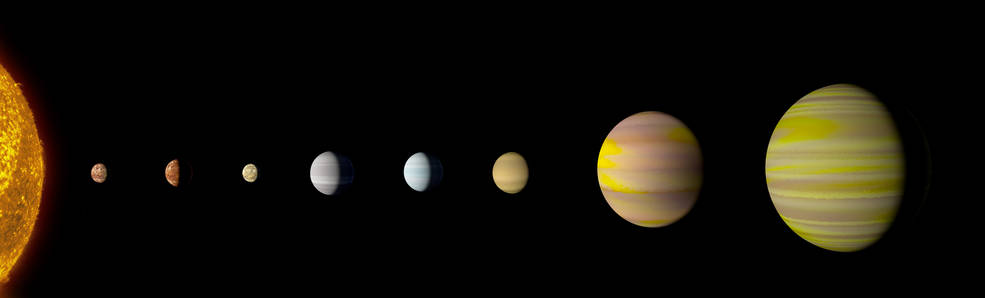
- We are finding more and more of Solar System-like planetary systems, such as Trappist 1 or Kepler 90. whose eighth planet “a sizzling hot, rocky planet that orbits its star once every 14.4 days” has just been discovered (NASA press release).
- And finally… we had our oddly shaped interstellar visitor, Oumuamua, which I have covered in my latest post here. Happy New Years, Earthians!


Leave a Reply