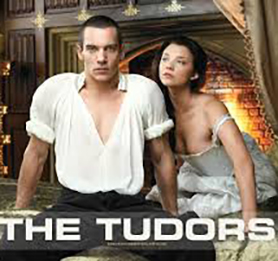

I have just finished watching Showtime’s historical series The Tudors (now entirely on Netflix), and I have to say I have mixed feelings about it. I found a lot of interesting stuff here but also a few points that could have been improved and made this a great series: like that, it’s ok, but just.
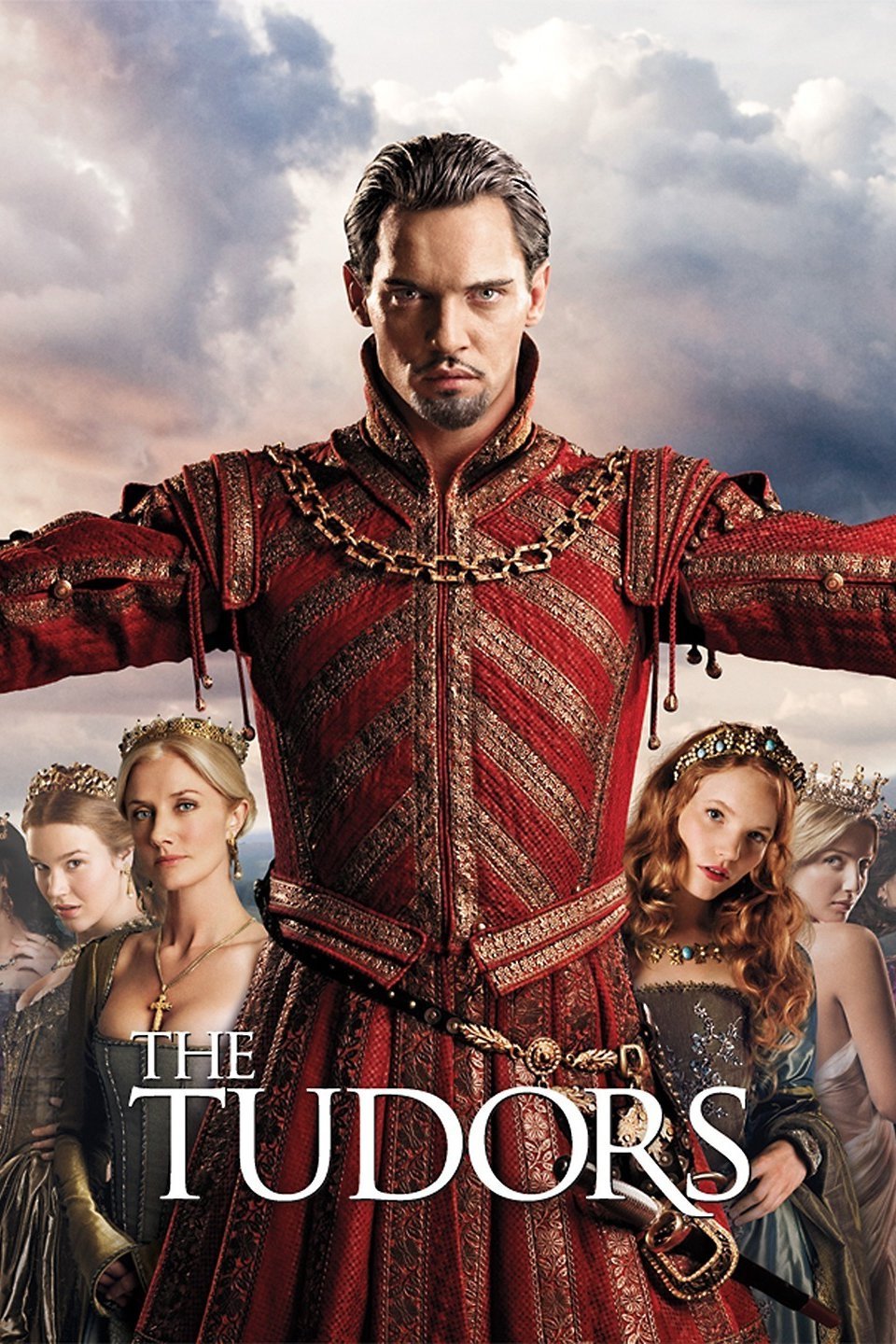
First of all, no matter if the title suggests something different, what this series (an international cooperative effort between American, British, and Canadian) portrays is not the Tudor dynasty but the King Henry VIII and his (many) wives. This looks to me a lost opportunity, because the Tudor dynasty was far more than his last king, undoubtedly famous for the wrong reasons. I’d have loved to see the series exploring the complicated lives and relations between Henry and his two daughters (both future Queens of England) and between the two sisters themselves. Instead, both of them are only second-tier characters inThe Tudors and more coverage has been given to people – like the young Catherine Howard, fifth wife of the king and the second one to end her days executed – who are (comparatively) insignificant at a historical level.
This point leads to what is, for me, the most critical limitation of this series: the fact that it focuses more on Henry’s love life than on his achievements and legacy as a king – the one responsible (among other things) of creating the Church of England as a separate confession from the Roman Church. It’s a pity, because there were all the pre-requisites to make this series something notable even for pure history lovers, less interested in dynastic games or lurid love affairs that seem to represent here the main course. InThe Tudors you have all the sex and blood and gore of series like, say, Borgia (which I have already reviewed on this blog) without managing to insert the events into a wider historical context (thing that has been achieved by Borgia in some good episodes).
As I said, it looks a lost opportunity especially because the cast was a notably good one, and some characters – like Thomas Cromwell, Henry VIII’s Chancellor of England after the demise of Thomas More, played by the English actor James Frain – was convincing and historically accurate (incidentally, I’m a fan of Cromwell, but this is another story). Moreover, scenarios, dialogues and settings were rich and a pleasure to watch. A resource I recommend is the video featuring Jonathan Rhys Meyers discussing the making of the show and that can help make sense of some of the choices made by the producers.
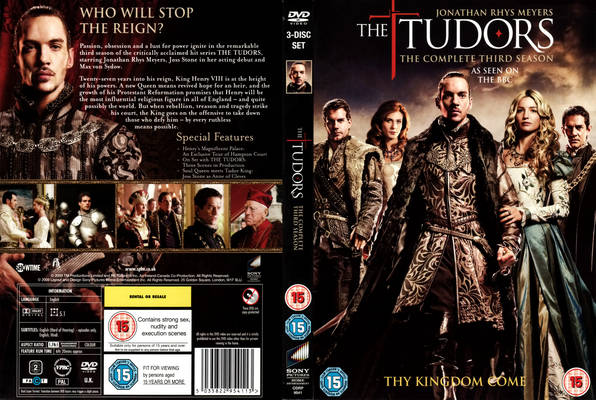
In case you wonder, the show was a great success, with high ratings and even higher audience. It was also nominated for the Golden Globe for Best Drama Series in 2007 and the king (Jonathan Rhys Meyers) received the nomination for the Best Actor in a Television Drama Golden Globe.
The series (38 episodes in 4 seasons) originally ran from 2007 to 2010, casting, among the others, Jonathan Rhys Meyers, Natalie Dormer, Sam Neill, Peter O’Toole. It’s still available on demand on Netflix, in case you want to give it a try.


Leave a Reply