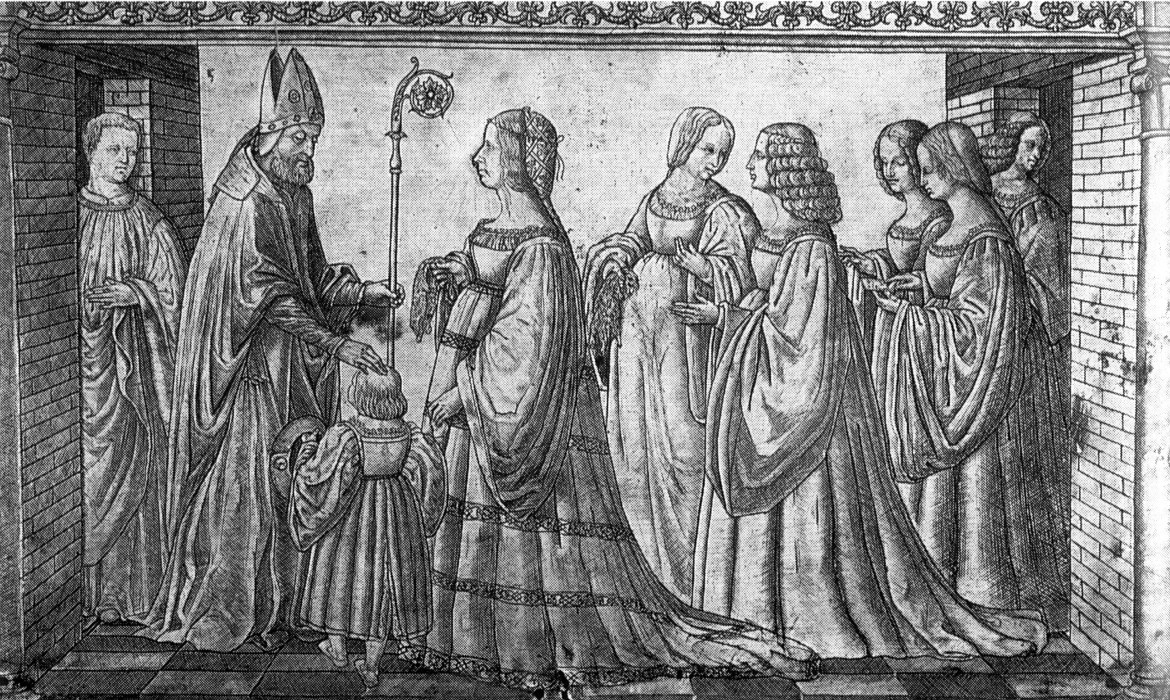

There’s no way this series can be labelled anything else. Certainly not historical tout-court, for the reasons I will explain below. I don’t normally review TV Series, but this one got my attention. I have also to say that, apart from my love of the Renaissance, I’ve a special interest in this family, one of the most infamous of their times. The black legend of the powerful Catalan family transplanted in Italy has crossed centuries, to the point that virtually everybody knows something about them, at least in Italy. Veracity, however, it’s a different matter, thanks also to the bad press contributed by political adversaries and posterity (Voltaire just to name one).
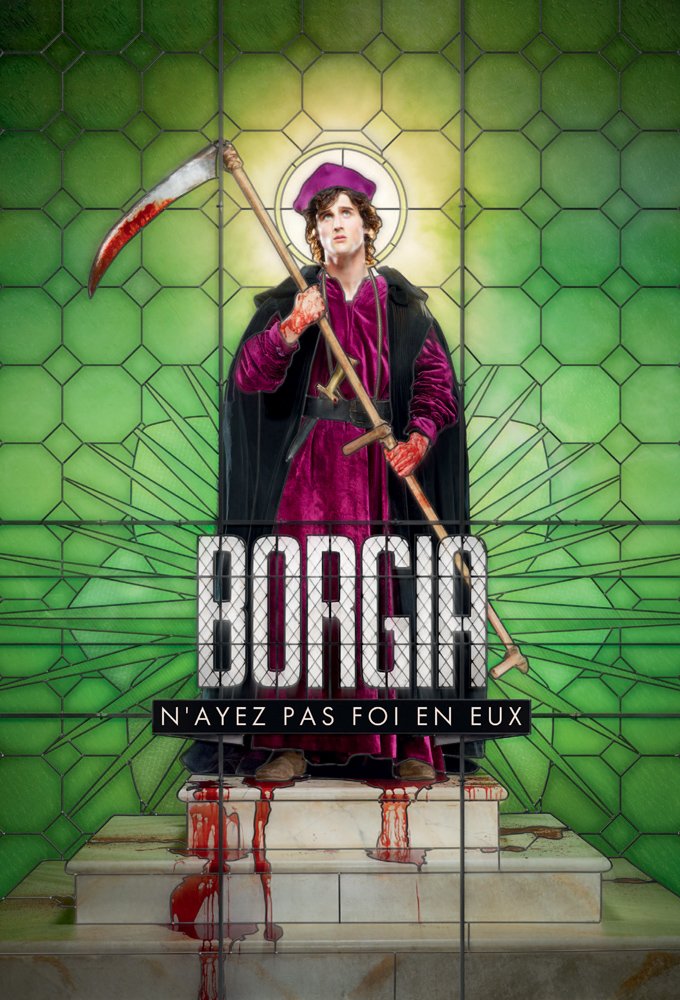
So attractive the family’s history is that not one but two Series have been recently produced, one on Showtime “The Borgias”, by Neil Jordan with Jeremy Irons as Rodrigo Borgia and another, an European production, Borgia, created by Tom Fontana and apparently more historically accurate. (For a detailed comparison between the two, see this). Having the 3-season-Borgia package on Netflix, I decided to give it a try.
Was it worth my time? I have mixed feelings, and I would say seasons 1-2 yes, with some reservations. Season 3, no way. Should you watch it? Short answer: if turbid Renaissance-flavoured telenovelas appeal you, and you’re not to squeamish about its historical accuracy and abundant gore of all kinds (expect sex&violence at every episode), you’ve come to the right place. Not everything is bad here: as I said, the first two seasons, especially the second, are blessed with some good aspects. You must give credit to Tom Fontana for having intelligently played with some of the most infamous rumours about the family – incest, intense use of poison, murder, conspiracy, blasphemy, betrayal, you name it. Interiors and costumes are researched and well designed, and so are the settings. The cast is more difficult to evaluate. John Doman is good – but a Catalan pope with an American accent requires more than a fair share of suspension of disbelief. Mark Ryder makes for a credible Cesare, and I’m a long term fan of Assumpta Serna (the female lead of Almodovar’s Matador), Vannozza Cattanei mother of Cesare and Lucrezia in the show. However, the best character/actor goes to Art Malik, playing Francesc Gacet, Borgia’s personal secretary (no comment on his historical reality – severely altered to say the least. But Malik’s contribution is such that you’ll forgive this one. As much as you do with Diarmuid Noyes in the role of the young Alessandro Farnese, little brother of Rodrigo Borgia’s official mistress Giulia Farnese. Alessandro will eventually become Pope Paolo III, a few decades after.)
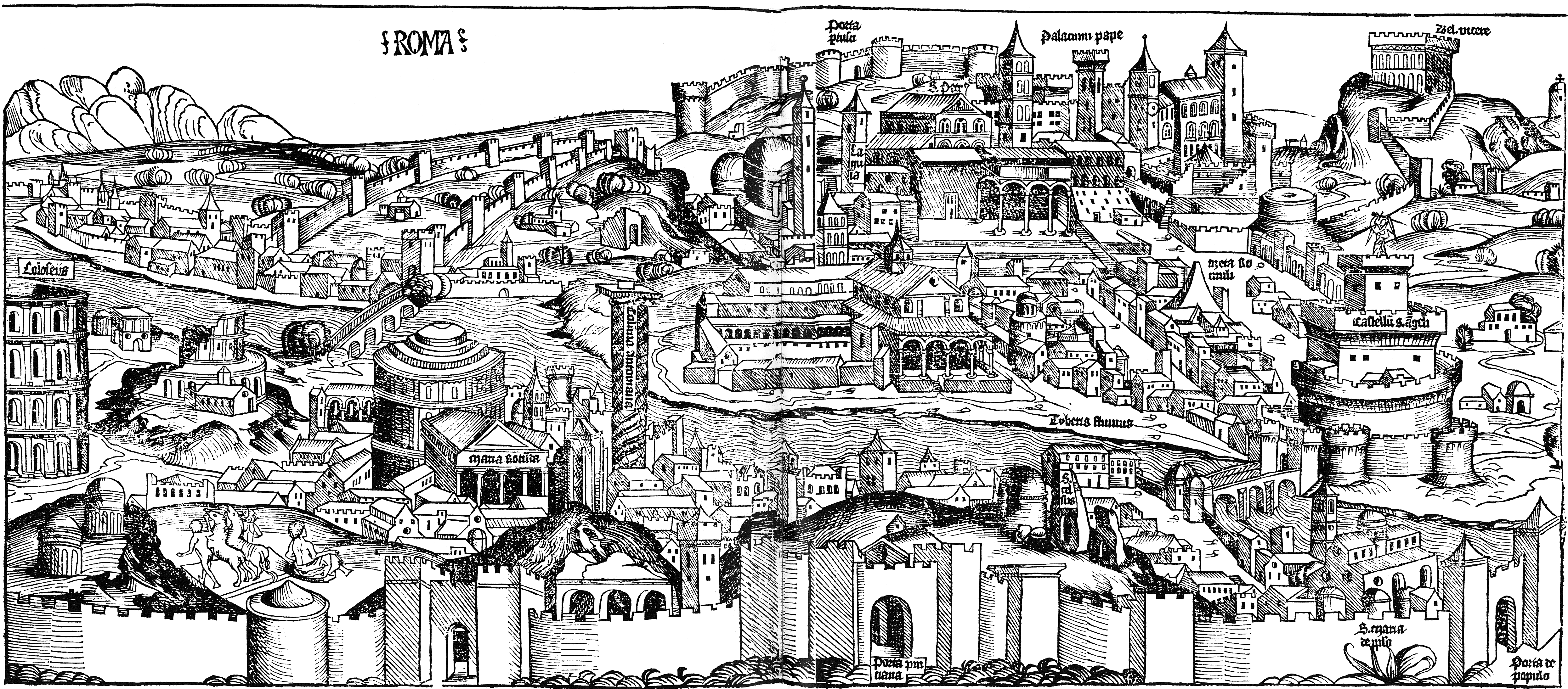
I have mentioned season 2. It is the most successful, because here the balance among international politics, family disputes, unspeakable murders and personal tragedies is at its best. There are some dubious sections, like the false dispute between Leonardo and Michelangelo – no such thing has ever happened – and the killing of Juan Borgia, where Fontana’s simply comes out with an example of historical fantasy not justified by the premise. But overall it’s entertaining and appealing.
So much for the good things. Enter seasons 3. I’m not sure what has happened here. The formula, the director, and the actors remain the same, but all the rest takes a brusque U turn – for the worse. You watch characters making a face-heel turn (or the other way round) not justified and that in a way contradicts much of what you have seen in the 20-odd episodes before. What’s worse, the Sopranos’ style narrative quickly evolve in a sort of melodrama with some perplexing apices. I had at some moment the impression of finding myself in one of Marco Bellocchio’s experimental movies – obviously without the quality.
To the doubtful visionary you might add the ludicrous of some bad, bad scenes – two examples for all: a Darth Vadersque “…., I am you father” coming out of nowhere; Cesare Borgia painting half of his face like a sort of William Wallace to hide the rash of syphilis (Incidentally, Cesare Borgia did have the French disease, like most of the soldiers at the time, but the legend says he was wearing a mask instead, not strolling around Rome like a character from the Peking Opera. And even the mask’s detail is controversial).
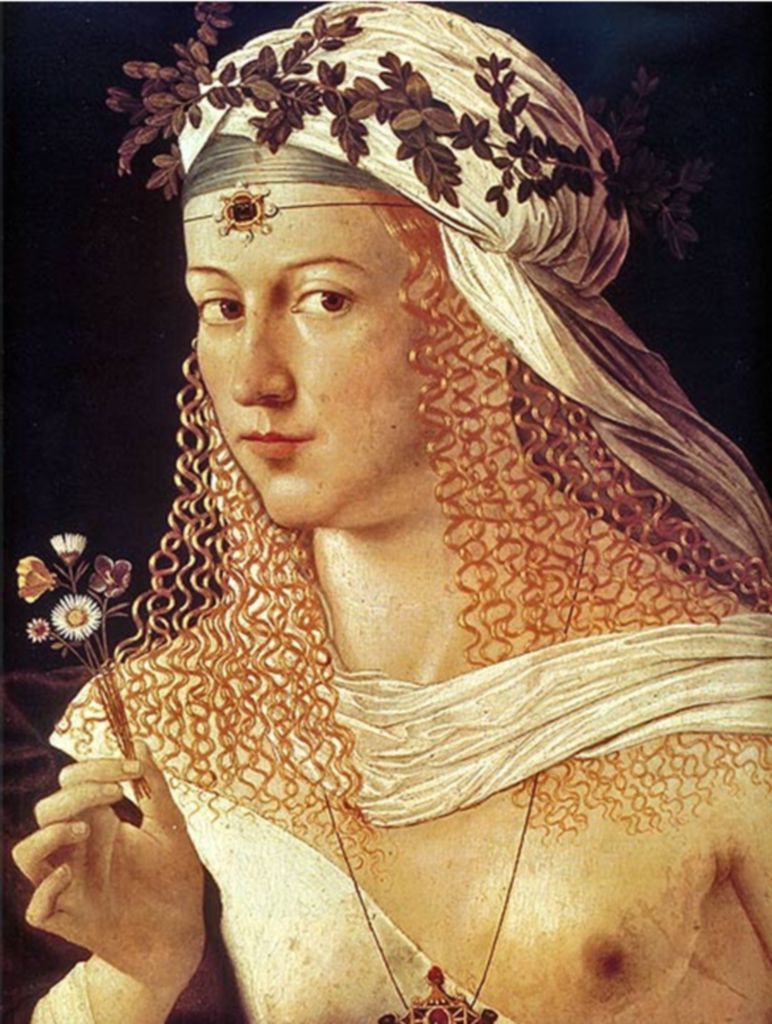
Now, it’s not that I don’t appreciate historical fiction: I love it, as a matter of fact. But it has to be done in a correct way, and the choices must demonstrate clear awareness of the historical reality from which one departs; and bottom line, it has to be entertaining. None of this is true for Borgia‘s season 3.
As a cherry on the cake, the last episode of the show is a masterpiece in unlikelihood, for a series of reasons I won’t cover here to avoid spoilers. I would have more eagerly accepted a GoT’s black dragon or a flying saucer on the Vatican palace. But, in all the gloom of Season 3, it at least managed to extract me a laugh, making me hope it was actually an exercise in full-fledged fantasy. Better to remain with this doubt.
For more about the Borgia family – the historical one – have a go at Sarah Bradford (2004) Lucrezia Borgia: Life, Love and Death in Renaissance Italy, Penguin (reviewed and praised by the Guardian).


Leave a Reply