
This is the moment of the year people generally say, no wait, really? I can’t believe we’re almost done. This year tasted differently, though, if anything, because due to Covid-19, many of us have the impression summer (ie, holidays, ie free time, relax etc) is yet to come. But no. Here we are. And that’s my reading right now.
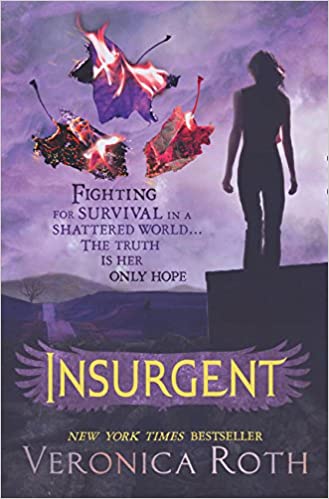
- Insurgent by Veronica Roth
The second novel of the Divergent series, and, for now, I’m still enjoying how the story proceeds. This second book promises to raise the stakes even more. “Tris has survived a brutal attack on her former home and family. But she has paid a terrible price. Wracked by grief and guilt, she becomes ever more reckless as she struggles to accept her new future. Yet if Tris wants to uncover the truth about her world, she must be stronger than ever… because more shocking choices and sacrifices lie ahead.” I didn’t find Tris an endearing character in the first novel, but here she gets better. In this series, as in many other YA I’ve read, it is, however, the supporting characters who are often the most interesting.
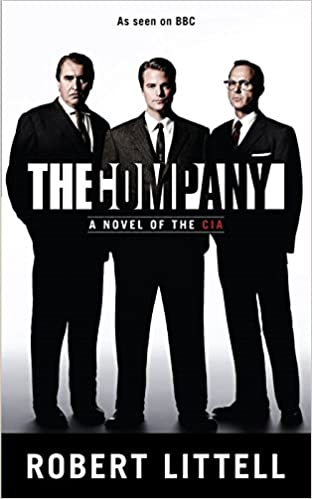
2. The Company. A Novel of the CIA by Robert Littell. This is the tenth or -nth times I’ve read this novel (I actually held an academic presentation on its historical content a few years ago) but I keep getting back because it is a masterpiece for spy novels that cut off the (fake) glamour of the genre and get down to the dirty and unrewarding aspects of real-life intelligence work over the decades. If Le Carre’ is the undisputed master, Littell is the historian of the spy thriller pack, and he adds exquisite irony and cruel detachment in his depiction of the Cold War. This novel often features in the syllabus at graduate-level Intelligence Studies, and there are a lot of good reason for it.
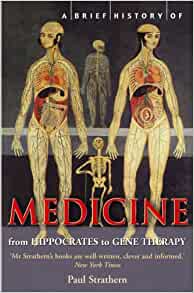
- A Brief History of Medicine by Paul Strathern
A non-fiction book from an excellent historian I’ve mentioned on this blog a couple of times already. Some pages really read like a novel, a horror one. “Paul Strathern follows the development of medicine through the lives of its greatest practitioners, whose discoveries (and errors) shaped the course of medical history. Includes geniuses, such as Paracelsus, the father of medical chemistry, and Edward Jenner, whose vaccination banished smallpox, scientific endeavour, such as the discovery of X-rays, and mistakes both fortunate and fatal. With grave robbing, plague and germ theory, quackery, nursing, syphilis, micro-organisms and penicillin along the way, this is the ultimate story of human –and humane — achievement.”
What about you? What’s on your desk these days? Let me know.


Leave a Reply