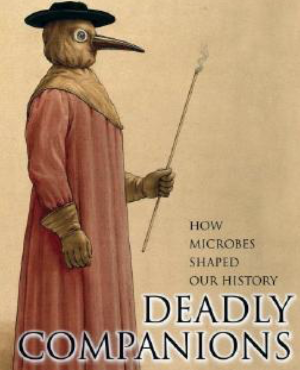

If like many people (including me) in this part of the world you’re in lockdown, total or partial, you might find some of these books –right now on my desk– of interest. Even though I’ve read them all already, in some cases more than once, they’re always worth a second look.
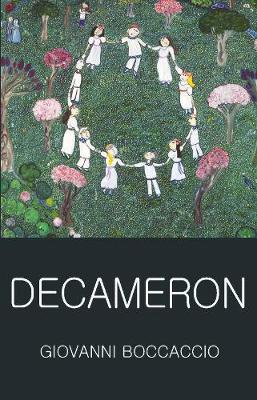
Decameron by Giovanni Boccaccio. This is a real Italian classic from the Middle Ages –set in at the times of the Black Death (1348)– and one of the first novels in a post-Latin world. Ten boys and girls, who escaped a Florence ravaged by the plague and isolated themselves into a villa, decide to spend their days by telling each other stories. While it is not a book about sex stories (as some mistakenly think; in reality, only 20-odd stories out of 100 are of salacious content), it is really entertaining reading.
The Plague by Albert Camus. Another classic, this time French, dark and compelling, which tells the story of a plague sweeping the French Algerian city of Oran, quarantined and cut from the rest of the world. Not an uplifting reading, but a real masterpiece.
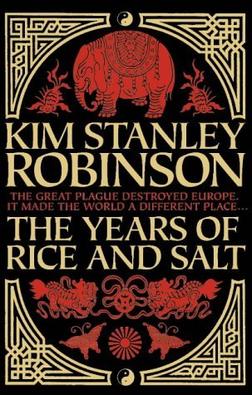
The Years of Rice and Salt by Kin Stanley Robinson. I have already written about this in the past. A classic of alternate history, this novel explores how world history might have been different if the Black Death plague had killed 99% of Europe’s population, instead of a third (because of fewer cats/more rats). Chilling.
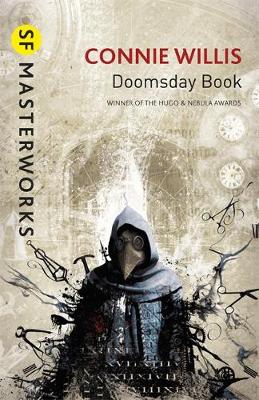
The Doomsday Book by Connie Willis. Another novel I have already written about, and one of my favourites. This 1992 speculative fiction novel won both the Hugo and Nebula Awards for the year, and it is about Oxford time-travelling historians. In that case, they land back in the Black Death years, just when in the current timeline there is another epidemic. Another great reading.
Station Eleven by Emily St. John Mandel. A quite recent book (2014) that has already become a classic of the genre. Read my review here. If you’re not read it yet, I definitively advise doing so. You’re in for a treat.
Deadly Companions: How Microbes Shaped Our History by Dorothy H. Crawford. This is the last of my list, and it is a non-fiction book about virus and bacteria, and a valuable resource to anybody interested in understanding more about this essential component of our lives –especially now. From the blurb “beginning with a dramatic account of the SARS pandemic at the start of the 21st century, Dorothy Crawford takes us back in time to follow the interlinked history of microbes and humanity, offering an up-to-date look at ancient plagues and epidemics, and identifying key changes in the way humans have lived–such as our move from hunter-gatherer to farmer to city-dweller–which made us ever more vulnerable to microbe attack. Showing that how we live our lives today–with increased crowding and air travel–puts us once again at risk, Crawford asks whether we might ever conquer microbes completely. Among the possible answers, one thing becomes clear: that for generations to come, our deadly companions will continue to influence our lives.”


Leave a Reply